Why Stale Listings Can Be Buyer Opportunities

Is it a red flag if a home you want has been on the market for months? Not necessarily.
Days on market, or DOM, has been rising year over year since 2023, according to Federal Reserve data. This spring, the average listing sits for about 57 days — nearly two months —before selling.1
It’s smart to be cautious about homes that linger. But a longer time on the market can also signal opportunity.
Here’s how to tell the difference between a deal and a dud.
Why homes are sitting longer
In many cases, homes on the market sit longer because they’re priced too high. Sellers often aim for the highest possible price and list above market value, even as conditions shift. Some may be slow to adjust to a more balanced 2026 market, where inventory is rising and demand is softening.
In other cases, the issue is condition. A home may need more work than buyers are willing — or able —to take on. With mortgage rates still relatively high, many buyers are watching their monthly costs closely. That leaves little room for major repairs or updates that could stretch their budgets.
“Homes are taking longer to sell because there are more homes on the market than there are buyers,” explained addressUSA president Paul Huntsman. “This is a return to ‘normal’ from the reverse being true the last few years. So, buyers can be more selective and shop more before they move forward.”
How stale listings can be a boon for buyers
Stay up to date on the latest real estate trends.




The right strategy matters more than old market assumptions.
More time on market can mean more room to negotiate.

Lower asking prices are bringing buyers back.

Lower asking prices and better supply are easing the search.

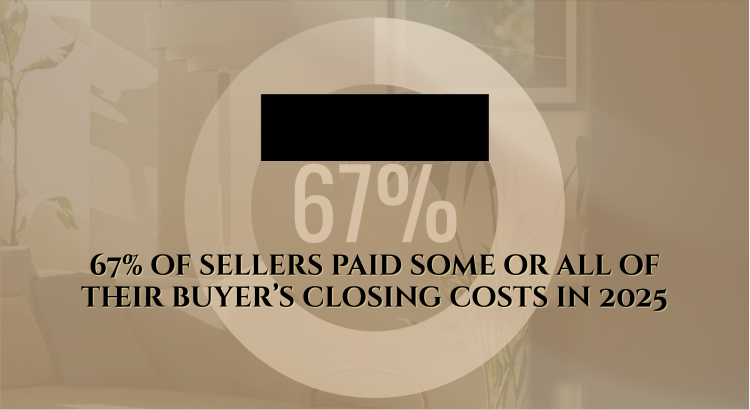
Negotiation is becoming part of the selling process again.
You’ve got questions and we can’t wait to answer them.